
Dr. Shirley Newell - Brain Health
Aegis Living Chief Medical Officer Dr. Shirley Newell, a national leader in the assisted-living industry, discusses what you can do to optimize brain health. In some cases, it can be as simple as getting a good night’s sleep. Dr. Newell: The positive things you can do for your…
Published · Updated
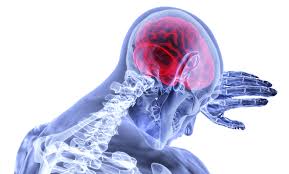
Aegis Living Chief Medical Officer Dr. Shirley Newell, a national leader in the assisted-living industry, discusses what you can do to optimize brain health. In some cases, it can be as simple as getting a good night’s sleep.
Dr. Newell:
The positive things you can do for your brain are from a young age, and especially as you get older, get plenty of exercise. Also, eat a very healthy diet. And the cardiologists, and now the neurologists, talk about the Mediterranean diet, which isn’t that complicated. It’s just a lot of fruits and vegetables, moderate carbohydrates, low protein, and very healthy vegetable oils like olive oil, non-saturated fats, are very important to minimize sugar.
It’s clear that human beings need at least seven or eight hours a night of sleep. You may function, or think you function, well on less, some people chronically function on much less. But they’re doing damage to their brain because sleep, and especially dreaming, is really important to restore brain function. A lot of chemical events happen during sleep that are critical, not only to preserve health, but that can be harmful if you don’t get enough sleep, in terms of developing dementia and other degenerative diseases of the brain.
Really important for brain health would be not only sleep, but meditation. Meditation and mindfulness have been found to be very restorative in terms of brain function and focus, and highly valuable in terms of helping people overcome distraction. Both of those are very, very important to people and that’s something that you can do without a lot of effort or time.
Related reading
- 3 benefits of mental exercise for seniors
Seniors who want to stay young can retain their youthfulness by keeping their brain’s neural pathways balanced.…
- Love and Longevity
This Valentine’s Day, celebrate with your whole heart because it could mean that you might live longer. Studies show there is a link between…
- Malnutrition In the Elderly
The word “malnutrition” makes us think of those in third world countries, war-torn cities, or those living in extreme poverty.…
- Four Common Myths About Pain and the Elderly
Many of our elderly quietly endure pain on a daily basis. They make excuses from their pain or deny they are in pain to their family members…
Have questions about senior living?
Our family advisors are here to help — no pressure, no script.