
Protecting Your Brain: Lifestyle Changes That May Prevent Dementia
Discover 12 proven strategies to reduce your risk of Alzheimer’s and dementia, from exercise and sleep to social connection and mental health.
Published · Updated
Can we really take steps today that reduce our risk of developing Alzheimer’s tomorrow?
For many people, the idea that lifestyle choices can impact cognitive decline feels both hopeful and overwhelming. The hopeful part: emerging research shows we have more influence than we once thought. The overwhelming part: with so much advice out there, where do you start?
In just the past few decades, our understanding of Alzheimer’s disease has evolved dramatically. Once considered purely a disease of aging, we now know that a complex interplay of genetics, lifestyle, and environmental factors shapes our brain health. While there’s no guaranteed way to prevent Alzheimer’s, there is growing consensus around the behaviors that protect - and even strengthen - our cognitive function over time.
Below are 12 research-backed strategies that can help reduce your risk of developing Alzheimer’s or other forms of dementia.
1. Protect Your Head
Certain types of head injuries can increase your risk of developing Alzheimer’s or other dementias as you age. Traumatic brain injuries (TBIs) are a well-established risk factor for Alzheimer’s disease. Even a single moderate or severe injury can increase vulnerability later in life.
Preventing these injuries is critical at any age, but especially for older adults. Small changes in your environment and routine can make a big difference.
- Always wear a helmet when biking, skating, or playing contact sports.
- Buckle your seatbelt every time you get in a car.
- Use grab bars, non-slip mats, and proper lighting to reduce falls at home.
- Eliminate slipping risks, such as loose rugs or tripping hazards, at home.
2. Quit Smoking
If lung cancer, chronic obstructive pulmonary disease (COPD) and asthma can’t convince you to quit smoking, maybe this will. Studies show that people who smoke are at a much higher risk of developing dementia, and specifically, Alzheimer’s disease. Smoking causes inflammation and oxidative stress that can damage brain cells. It also restricts blood flow, compounding the risk of cognitive decline. The sooner you quit, the greater the benefit.
It’s never too late to stop. Former smokers can, over time, lower their risk to near that of nonsmokers.
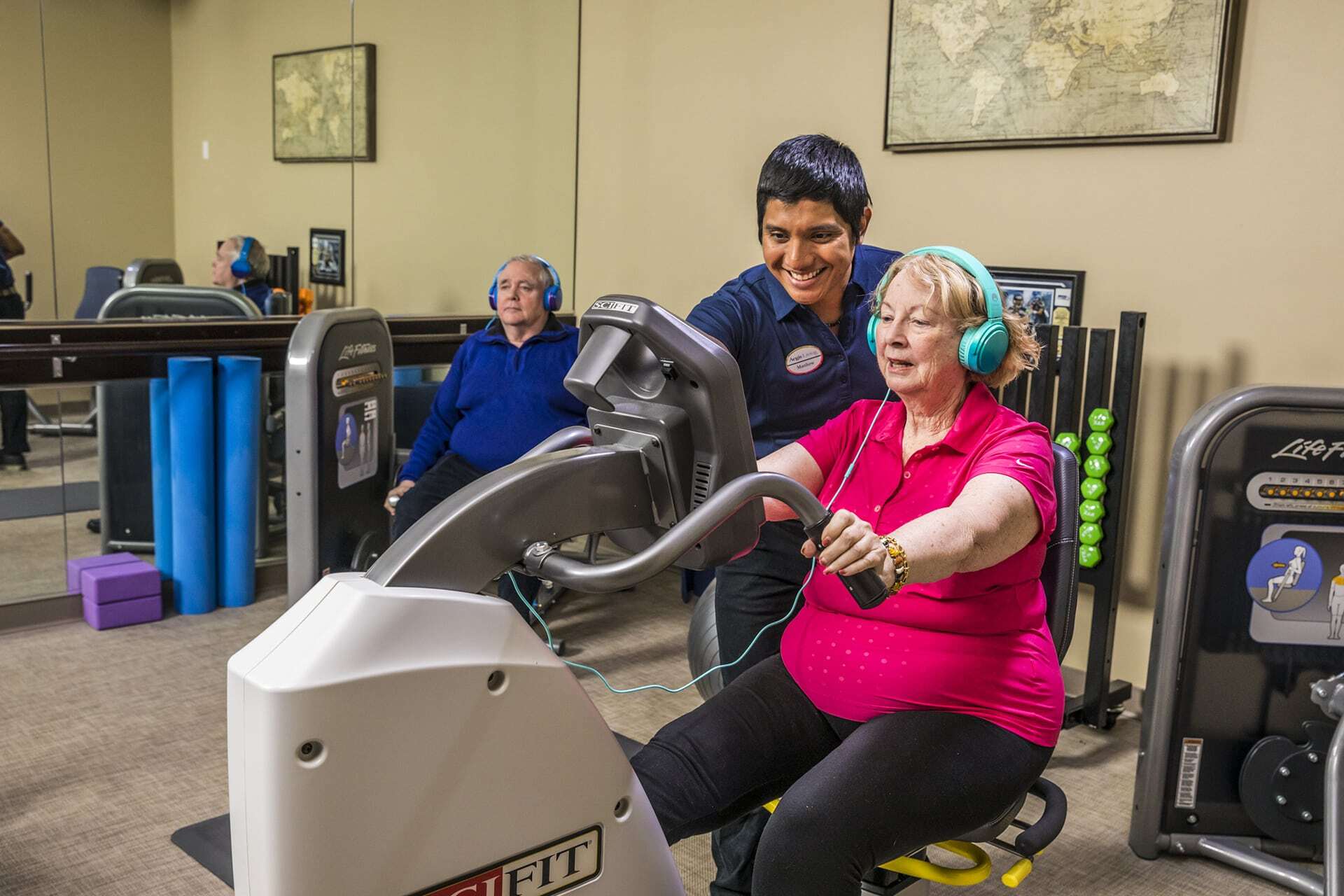
3. Exercise Regularly
Prioritize your physical health! Regular exercise that elevates your heart rate and increases blood flow to the brain reduces the risk of cognitive decline. Physical activity supports heart health, boosts circulation, and encourages the release of brain-derived neurotrophic factor (BDNF), a protein that supports neuron survival and growth. Exercise is also one of the best ways to prevent or manage chronic diseases that contribute to dementia risk.
You don’t have to join a gym to get the benefits. Consistency and movement are what matter.
- Aim for at least 150 minutes of moderate aerobic activity per week (roughly 20-25 minutes/day).
- Include strength training twice a week to support balance and muscle mass.
- Try walking, dancing, yoga, swimming, cycling, or tai chi.
4. Prioritize Quality Sleep
A proper night’s sleep is imperative to protecting your brain’s overall health. It plays a critical role in memory consolidation, emotional regulation, and the removal of neurotoxic waste. During sleep, the brain clears away waste proteins, including beta-amyloid, which is associated with Alzheimer’s disease. Chronic sleep deprivation can disrupt this process and contribute to long-term damage.
Interestingly, both too little and too much sleep have been linked with higher dementia risk, making the right amount of rest essential. If you’re struggling with restlessness, insomnia, or sleep apnea, professional support can help.
- Aim for 7 - 9 hours of sleep each night (7 - 8 for adults 65 and over).
- Create a dark, quiet, cool sleep environment.
- Drown out noise with a white noise machine or sleep-friendly music.
“There’s no guaranteed way to prevent Alzheimer’s - but the steps you take today can shape a healthier brain tomorrow.”
5. Eat Brain-Friendly Foods
The foods you eat have a direct impact on brain health. Researchers from Rush University Medical Center developed the MIND diet by combining elements of the Mediterranean and DASH (Dietary Approaches to Stop Hypertension) diets. This hybrid eating plan was shown to reduce the risk of Alzheimer’s by up to 53% when followed closely, and by 35% even when followed moderately.
The MIND diet emphasizes foods that reduce oxidative stress and inflammation while supporting brain cell function. Prioritizing these foods can nourish your brain and protect cognitive function as you age.
- Leafy green vegetables (e.g., spinach, kale) at least six times a week
- Other vegetables daily
- Berries (especially blueberries and strawberries) at least twice a week
- Nuts nearly every day
- Olive oil as the primary cooking fat
- Whole grains three times a day
- Fish once a week
- Poultry at least twice a week
- Beans every other day
Limit intake of red meat, butter and margarine, cheese, pastries, sweets, and fried or fast food to no more than once per week when possible.
6. Stay Socially Engaged
Social engagement has positive effects on both mental health and dementia. Interacting with others can help someone feel a sense of belonging, increasing their self-worth. Social interaction also stimulates cognitive processing and helps build emotional resilience. Isolation, especially in older adults, has been shown to significantly increase dementia risk.
Whether it’s a casual phone call or a group activity, consistent social engagement matters. It provides connection, purpose, and joy - all of which nourish the mind. So, join a club, volunteer somewhere, or schedule regular visits or calls with friends and family.
7. Manage Chronic Conditions
Diseases like high blood pressure, diabetes, and high cholesterol don’t just affect your heart, they also damage blood vessels in the brain. Over time, this vascular damage can impair cognitive function and increase the risk of Alzheimer’s. The sooner you manage these conditions, the better your brain will age. Be sure to:
- Monitor your blood pressure, glucose, and lipid levels regularly.
- Take prescribed medications as directed and attend routine checkups.
- Maintain a healthy weight with a balanced diet and physical activity.
8. Challenge Your Brain
Challenging your brain with stimulating activities can have short- and long-term benefits for your brain health. Mental stimulation helps your brain form new connections, which can delay the onset of dementia symptoms. It doesn’t matter if you’re solving puzzles or learning guitar, what matters is that you’re stretching your thinking. These activities build cognitive reserve, a key factor in long-term brain health.
- Try puzzles, reading, or games that require critical thinking.
- Learn a new language, skill, or musical instrument.
- Use brain-training apps or take a class online or in person.
9. Address Hearing Loss
Untreated hearing loss may lead to social withdrawal and reduced mental stimulation, both of which are risk factors for dementia. Midlife hearing loss in particular has been cited as one of the most significant modifiable risk factors. Early detection and treatment can help preserve not only communication but also cognitive function.
- Schedule regular hearing screenings after age 50.
- Wear hearing aids if recommended to stay engaged and aware.
- Reduce background noise when having conversations.
10. Manage Stress and Mental Health
Prolonged stress floods the body with cortisol, a hormone that in high levels can shrink key brain areas like the hippocampus. Depression, too, is linked with memory issues and increased Alzheimer’s risk. Learning to cope with life’s challenges in healthy ways pays dividends far beyond mental well-being.
- Practice mindfulness meditation, deep breathing, or journaling.
- Seek professional help for anxiety or depression.
- Build routines that support relaxation and social connection.
Taking the Next Step Toward Brain Health
At Aegis Living, we believe that informed choices today can lead to healthier tomorrows. Whether you’re caring for a loved one or looking ahead to your own future, making lifestyle changes to support brain health is one of the most empowering steps you can take. From nutrition and sleep to social engagement and lifelong learning, there are so many ways to nourish the mind and body.
If you’d like to learn more about how Aegis Living supports cognitive wellness and memory care, we invite you to explore our Life’s Neighborhood® Memory Care Program or visit our Resource Center for more tips, research, and compassionate support.
You don’t have to navigate this journey alone - we’re here to help every step of the way.
Related reading
- From Transitional Care to Memory Care
If your parent is showing mild or early signs of dementia, do they need to move into memory care?…
- Could It Be Dementia? Cognitive, Behavioral, and Subtle Early Clues
Learn the subtle early signs of dementia across cognitive, behavioral, and physical changes. Catching symptoms early can lead to better care…
- Meaningful Care Without Medication: Holistic Approaches to Dementia
Learn how therapies like music, movement, reminiscence, and cognitive stimulation can help manage dementia symptoms and improve daily life -…
- Is It Just a Senior Moment - or Something More?
Not all memory loss is dementia. Learn how to tell the difference between normal age-related forgetfulness and when it may be time to speak …
Have questions about senior living?
Our family advisors are here to help — no pressure, no script.