
Hearing Loss in Seniors: Causes, Signs, and Help
Learn the causes, warning signs, and treatments for age-related hearing loss, plus the proven link between untreated hearing loss and dementia.
Published · Updated
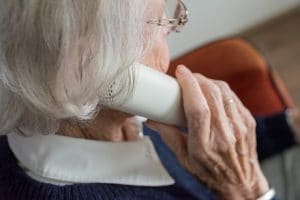
If your parent cranks the TV to volume 40, asks "what?" three times per conversation, or has quietly stopped going to restaurants, age-related hearing loss is the most likely culprit. Roughly 1 in 3 adults aged 65 to 74 has hearing loss, and nearly half of those over 75 do (NIH National Institute on Deafness and Other Communication Disorders, 2024). The good news: most cases are treatable, and catching it early protects memory, balance, and social connection.
What causes age-related hearing loss?
Presbycusis, the medical term for age-related hearing loss, develops gradually as the tiny hair cells in the inner ear wear down. It usually affects both ears equally and makes high-pitched sounds (consonants like s, f, and th) the first to go.
Common contributors include:
- Cumulative noise exposure from decades of loud workplaces, power tools, or concerts
- Cardiovascular disease and diabetes, which reduce blood flow to the cochlea
- Ototoxic medications - over 200 drugs, including some antibiotics, chemotherapy agents, and high-dose aspirin, can damage hearing (American Speech-Language-Hearing Association, 2024)
- Earwax impaction, a surprisingly common and fully reversible cause
- Genetics and family history of early hearing loss
If hearing changes arrive suddenly or come with dizziness, treat it as urgent. Sudden hearing loss can share early symptoms with stroke; review the warning signs of a stroke and call 911 if any are present.
What are the warning signs you should watch for?
Older adults rarely announce that they can't hear. The signals are behavioral. Consider an 82-year-old grandmother who suddenly stops hosting Sunday dinner because the chatter "gives her a headache," or a dad who nods politely through phone calls but can't recall what was said. Those are classic compensations.
Watch for:
- Television or radio volume that's uncomfortable for everyone else
- Frequent requests to repeat, or answers that don't match the question
- Withdrawal from restaurants, group gatherings, or places of worship
- Trouble following conversation when the speaker is out of sight
- Complaints of ringing or buzzing (tinnitus) in one or both ears
- New irritability, fatigue after social events, or low mood
Because hearing loss and mood changes travel together, also review the signs of depression in your parent. The two are often tangled.
How is hearing loss connected to dementia?
Untreated hearing loss is now considered the largest modifiable risk factor for dementia in mid to late life (Lancet Commission on Dementia Prevention, 2020). When the brain works overtime to decode muffled speech, it borrows resources from memory and attention. Social isolation accelerates the decline.
Geriatrician Louise Aronson, MD, author of Elderhood, has long argued that treating sensory loss is one of the highest-leverage things families can do for an aging parent's brain health. A hearing aid is a cognitive intervention, not just an audio one.
For families also weighing later-stage care decisions, our guide on Palliative vs. Hospice Care: What's the Difference? explains how sensory and comfort care fit into the bigger picture.
What does treatment cost, and what are the options?
Treatment depends on severity. Mild loss may need only earwax removal or an over-the-counter (OTC) device, now legal for adults nationwide (U.S. Food & Drug Administration, 2022). Moderate to severe loss usually requires a prescription device fitted by an audiologist.
| Option | Best for | Typical cost (2024) | Where to get it |
|---|---|---|---|
| Earwax removal | Sudden muffled hearing | $0 to $100 | Primary care or ENT |
| OTC hearing aids | Mild to moderate loss | $200 to $1,000 per pair | Pharmacy, online |
| Prescription hearing aids | Moderate to severe loss | $2,000 to $7,000 per pair | Audiologist |
| Cochlear implant | Severe to profound loss | $30,000+ (often covered) | ENT surgical center |
Original Medicare does not cover routine hearing aids, but many Medicare Advantage plans do (Medicare.gov, 2024). The VA covers hearing aids for eligible veterans at no cost.
Who treats hearing loss? A quick glossary
AudiologistA doctoral-level clinician (AuD) who tests hearing, diagnoses loss, and fits hearing aids. Start here for most age-related cases.Otolaryngologist (ENT)A medical doctor who treats ear, nose, and throat disease. See an ENT for sudden loss, drainage, vertigo, or suspected tumors.OtologistAn ENT subspecialist focused exclusively on the ear, including cochlear implant surgery.Hearing instrument specialistA licensed technician who fits and adjusts hearing aids but does not diagnose medical conditions.How can you communicate better with a parent who can't hear well?
As dementia care educator Teepa Snow puts it, when someone can't hear you, raising your volume rarely helps; changing your approach does. Try these habits:
- Get their attention first. Say their name and wait for eye contact before speaking.
- Face them in good light so they can read lips and expressions.
- Lower the pitch of your voice rather than the volume. High frequencies are what they've lost.
- Rephrase, don't repeat. If "Did you take your pills?" didn't land, try "Your morning medicine, did you take it?"
- Cut background noise. Mute the TV, move away from the dishwasher, pick the quiet booth.
- Text and email for anything important, like appointment times or medication changes.
Sensory health rarely travels alone. If your parent is also coping with smoke days, vision changes, or balance issues, our resources on smoky air quality and seniors and the effects of hearing loss in the elderly go deeper.
When does hearing loss mean it's time for more support?
Hearing loss alone is rarely a reason to leave home. But layered with falls, missed medications, or growing isolation, it tips the balance. Imagine a widower who can no longer hear his smoke alarm, his phone, or the neighbor knocking; the safety math changes quickly.
At Aegis Living, our caregivers are trained to communicate clearly with residents who have hearing loss, and our communities are designed to reduce the noisy chaos that makes hearing harder. Find an Aegis Living community near you or contact our team to schedule a visit.
Frequently asked questions
At what age does hearing loss usually start?
Subtle high-frequency loss can begin in the 50s, but most people notice changes in their late 60s or 70s. By age 75, about half of adults have measurable hearing loss (NIDCD, 2024).
Can hearing loss be reversed?
Some causes are fully reversible, including earwax impaction, ear infections, and side effects from certain medications. Sensorineural loss from aging or noise damage is permanent, but hearing aids and cochlear implants restore most function.
Does Medicare pay for hearing aids?
Original Medicare (Parts A and B) does not cover routine hearing exams or hearing aids. Many Medicare Advantage plans offer hearing benefits, and the VA covers devices for eligible veterans (Medicare.gov, 2024).
Will treating hearing loss prevent dementia?Treatment isn't a guarantee, but addressing hearing loss is the single largest modifiable dementia risk factor identified to date (Lancet Commission, 2020). Hearing aids appear to slow cognitive decline in adults at higher risk.
What's the difference between an audiologist and an ENT?
An audiologist tests hearing and fits devices. An ENT is a medical doctor who diagnoses and treats ear disease, performs surgery, and manages conditions like sudden hearing loss or chronic infections. Most age-related cases start with an audiologist.
How loud is too loud for headphones?
Use the 60/60 rule: no more than 60% of maximum volume for no more than 60 minutes at a time (Centers for Disease Control and Prevention, 2024). Sustained exposure above 85 decibels causes permanent damage over time.
Frequently asked questions
- At what age does hearing loss usually start?
- Subtle high-frequency hearing loss can begin in the 50s, but most adults first notice changes in their late 60s or 70s. By age 75, roughly half of adults have measurable hearing loss according to the NIH's National Institute on Deafness and Other Communication Disorders.
- Can hearing loss be reversed?
- Some causes are fully reversible, including earwax impaction, ear infections, and side effects from ototoxic medications. Sensorineural loss caused by aging or noise damage is permanent, but hearing aids and cochlear implants can restore most everyday function.
- Does Medicare pay for hearing aids?
- Original Medicare does not cover routine hearing exams or hearing aids. Many Medicare Advantage plans offer hearing benefits, and the Department of Veterans Affairs covers devices for eligible veterans at no cost.
- Will treating hearing loss prevent dementia?
- Treatment is not a guarantee, but the 2020 Lancet Commission identified hearing loss as the largest modifiable risk factor for dementia. Using hearing aids appears to slow cognitive decline in adults at higher risk.
- What's the difference between an audiologist and an ENT?
- An audiologist is a doctoral-level clinician who tests hearing and fits hearing aids. An ENT (otolaryngologist) is a medical doctor who diagnoses and treats ear disease and performs surgery. Most age-related cases start with an audiologist.
- How loud is too loud for headphones?
- Follow the 60/60 rule recommended by the CDC: no more than 60% of maximum volume for no more than 60 minutes at a stretch. Sustained exposure above 85 decibels causes permanent hearing damage over time.
Related reading
- Signs of Depression in Your Parent
Do they mope around all day?…
- The Effects of Hearing Loss in the Elderly
One of the most common conditions to impact the elderly is hearing loss. Approximately one in three adults between the ages of 65 and 75 exp…
- Smoky Air Quality and Seniors
As another day of eerie smoke from wild fires covers much of the West Coast, we are closing our windows, staying inside, not running the vac…
- Warning Signs of a Stroke
Did you know stroke is the leading cause of serious long-term disability and the fifth leading cause of death in the US? And while there’s a…
Have questions about senior living?
Our family advisors are here to help — no pressure, no script.