
When is it time to consider assisted living? Eight signs our care advisors look for.
Plain-language guidance from the Aegis Living team — nurses, executive directors, and family advisors who walk families through this decision every week.

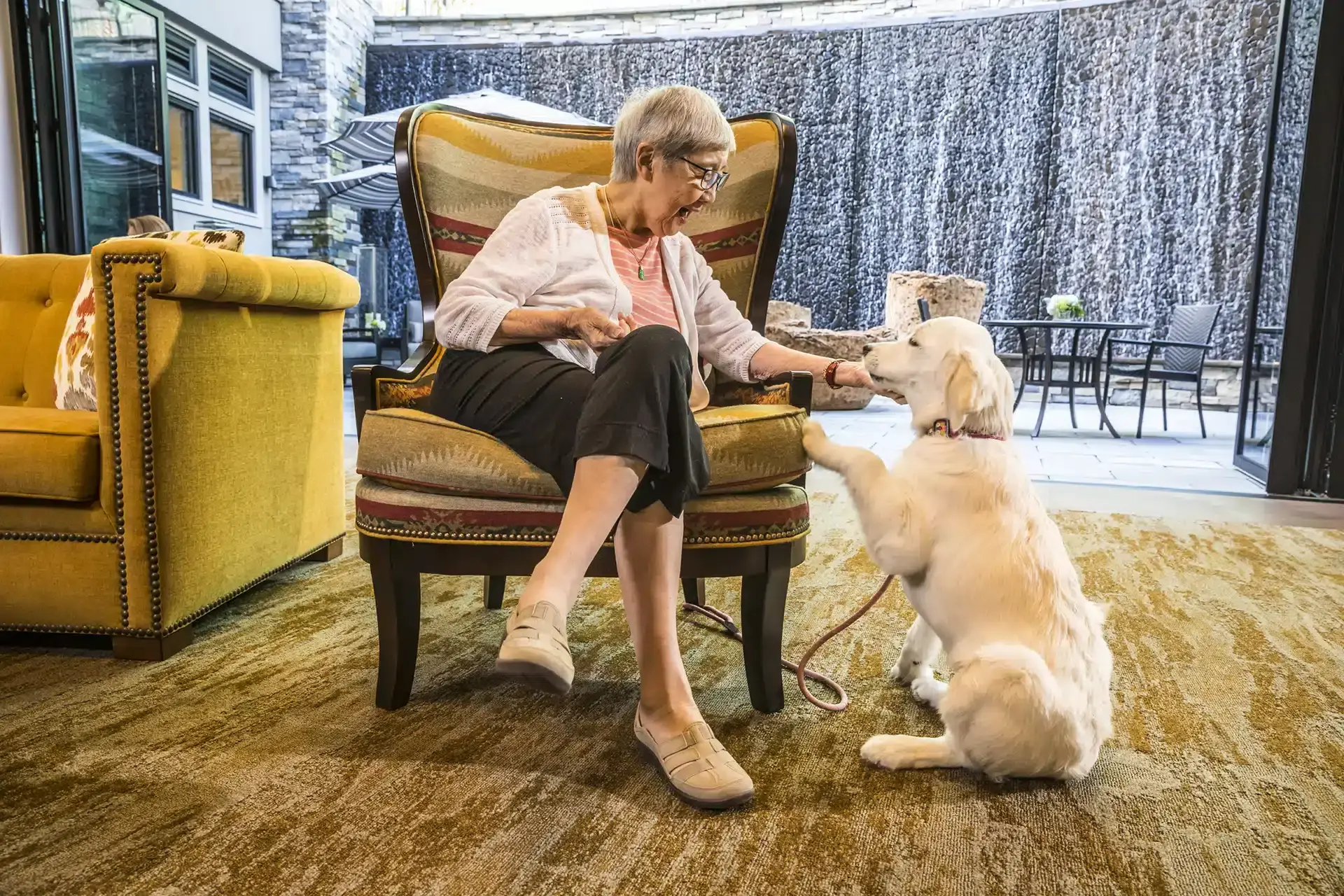
The decision rarely arrives on a single bad day.
Most families do not call Aegis Living because of one alarming event. They call because a quiet pattern has been building for months — a few missed medications, a fender bender no one mentioned, the freezer slowly filling with bread and nothing else. By the time the phone rings, the adult child is exhausted and the parent is insisting everything is fine.
The eight signs below come straight from the Aegis Living care advisors and on-site nurses who do this work every day across our 39 communities in Washington, California, and Nevada. None of them is a diagnosis. Together, they are usually the conversation.
Why families trust Aegis with this decision
- 1997Founded in Bellevue, Washington
- 39Communities across WA, CA, and NV
- 60,000+Seniors cared for by the Aegis team
- 6Levels of care under one roof
What our advisors actually watch for
1. Medication is starting to slip.
Missed doses, double doses, expired bottles, or pills sorted into the wrong day. Medication errors are one of the most common reasons families call — and one of the fastest wins once a resident moves into Assisted Living, where the on-site team manages reminders or hands-on administration.2. Falls are repeating — or being hidden.
One fall is a data point. Two or more in a year, a fall that triggered a hospital visit, or a bruise your parent will not explain are all flags. Aegis communities are designed for safe mobility, with on-site Restore therapy and AUGi smart fall-management technology in select communities.3. The fridge tells a different story than the conversation.
Spoiled food, identical meals on rotation, weight loss, or skipped meals when no one is watching. Hospitality dining at Aegis is built around three chef-prepared meals a day plus snacks, with smaller table groupings and dementia-informed cueing inside Life's Neighborhood® memory care.4. Driving is no longer safe — and everyone knows it but your parent.
Unexplained dents, missed turns to familiar places, family members quietly refusing to ride along. Once driving stops, isolation accelerates. Every Aegis community provides transportation for appointments, errands, and outings.5. The caregiver is breaking.
A spouse who has not slept through the night in months. An adult daughter who has used all her PTO on emergencies. Caregiver burnout is a clinical risk for the caregiver and a safety risk for the senior. Respite and Day Stay programs at Aegis exist precisely for this moment.6. The home itself is no longer safe.
Mail piling up, hoarding, urine smell, stove left on, locks unlatched at night. The home that worked at 70 sometimes does not work at 85 — and renovations rarely close the gap. Light Assisted Living gives independence with a 24/7 safety net.7. Cognition is changing — not just memory.
Repeating questions, getting lost on familiar routes, paying the same bill twice, withdrawing from hobbies that used to bring joy. Transitional Care at Aegis is built for residents with mild memory changes who are still social. Secured Life's Neighborhood® serves moderate to advanced dementia, with Cognitive Compass programming and dementia-trained teams.8. Hospital trips are getting closer together.
Three ER visits in six months, a readmission within thirty days, or a discharge plan no one at home can realistically follow. Onsite nursing seven days a week and care managers around the clock at Aegis prevent the small problems that become 911 calls.
Not sure which signs apply yet?
A 20-minute conversation with an Aegis family advisor is free. They will help you sort what you are seeing into the right care level — or tell you it is too early.
Three myths that buy time you do not have
- "Mom will lose her independence."
- Most Aegis residents are more independent after they move in than they were the month before. The cooking, cleaning, driving, and medication management that were eating their day are taken care of — leaving energy for the things that actually feel like life.
- "It is too expensive."
- Aegis pricing is rent + à la carte care points + a one-time community fee, and care points are reassessed quarterly. You only pay for the help your parent is actually receiving. Most families combine retirement income, home-sale proceeds, long-term-care insurance, and VA Aid & Attendance where eligible.
- "We will wait until things get worse."
- Crisis moves are the hardest moves. A planned move from home to Light Assisted Living preserves choice. A crisis move from a hospital bed after a fall does not.
Six levels of care under one roof
Light Assisted Living — independence with a safety net: meals, housekeeping, transportation, medication reminders, and a 24/7 on-call team.
Assisted Living — daily hands-on help with bathing, dressing, mobility, or medications, with on-site nursing seven days a week.
Transitional Care — for residents with early memory changes who are still social and want full community access with gentle cueing.
Life's Neighborhood® Memory Care — secured neighborhoods with dementia-trained teams, Cognitive Compass programming, and design features that reduce wandering and agitation.
Respite & Day Stay — short-term, fully serviced stays for post-surgery recovery, family travel, or a low-risk trial.
Hospice & End-of-Life Care — comfort and dignity inside the resident's own apartment, in partnership with a chosen hospice provider.

“We were not trying to build another senior living company. We were trying to build a better way to live the second half of life.”
Dwayne ClarkFounder, CEO & Chairman, Aegis Living
Recognized for the way we care

- Top Corporate Philanthropist
- Top 50 Best Places to Work


What happens after you reach out
- 1. Listen first.
A free phone conversation with a family advisor. We ask what you are seeing at home — not what level of care you think you need.
- 2. Nursing assessment.
An on-site or in-home assessment by a licensed nurse establishes the right care level today and what care points will be needed.
- 3. Tour with intention.
Visit two communities. Eat a meal. Meet the executive director. Ask how care points scale when your parent's needs change.
Couples with different care needs can share an apartment at Aegis — with a personalized care plan for each spouse. Most do not have to choose between staying together and getting the right support.
Ask any community team about their current resident couples on tour.

Take care of yourself first, not last.
Adult-child and spouse caregivers are the most under-supported people in this whole process. Respite stays and Day Stay programs at Aegis exist for you as much as for your parent — a fully serviced apartment with 24/7 care for a few days or a few weeks, so you can sleep, work, or travel without guilt.
If you are reading this guide late at night because you cannot sleep, that itself is one of the eight signs.
Want a written cost breakdown before you tour?
Our pricing guide walks through rent, care points, and the one-time community fee with a real example — line by line.
The honest next step
If two or more of the eight signs feel familiar, the next step is a 20-minute conversation. No pressure, no sales script — just clarity on what you are seeing and where it usually leads.
Frequently asked questions
- What are the most common signs a parent needs assisted living?
- Aegis Living advisors most often see repeated falls, missed medications, weight loss, social withdrawal, unsafe driving, an exhausted spouse or adult-child caregiver, an unsafe or unsanitary home, and rapid hospital readmissions. One signal alone is not the trigger — the pattern is.
- Is assisted living the same as a nursing home?
- No. Assisted living is a residential apartment with 24/7 caregivers, on-site nursing, hospitality dining, and activities — designed to preserve independence. Nursing homes deliver 24-hour skilled medical care for residents with complex clinical needs. Aegis Living operates assisted living and memory care, not skilled nursing.
- How do I bring up assisted living without my parent feeling pushed?
- Lead with the signals you have actually observed, not your conclusion. Ask what feels harder than it used to be. Offer a tour as a meal and a conversation — not a decision — and bring a sibling or trusted physician into the discussion early.
- What if my parent has dementia and refuses to discuss moving?
- Resistance is part of the disease for many residents. Start with a short Respite stay or Day Stay to introduce the community without the weight of a permanent decision. Aegis Living advisors and dementia-trained team members coach families through the conversation.
- How quickly can my parent move into an Aegis Living community?
- After an in-person nursing assessment, most families complete move-in within one to three weeks if an apartment is available. A Respite stay can bridge the gap when timing is urgent.
Keep reading

7 Signs It's Time for Long-Term Memory Care
Seven concrete signs - from medication mix-ups to wandering - that show when a loved one with memory loss needs long-term care.

5 Signs Your Loved One May Need Assisted Living
Five clear, practical signs it may be time to consider assisted living for an aging parent - from daily-task struggles to safety, isolation, and caregiver burnout.

Understanding and Easing Sundowning in Dementia Care
Learn what sundowning is, why it happens, and how caregivers can respond with empathy and structure. Explore practical strategies and discover how Aegis Living supports residents through thoughtful approaches like light therapy.

From Guilt to Grace on the Long-Term Care Journey
Learn how to move from guilt to grace as you navigate long-term care decisions for a loved one with dementia.